
Why Sump Pumps Fail During Sudbury's Spring Snowmelt (And How to Prepare)
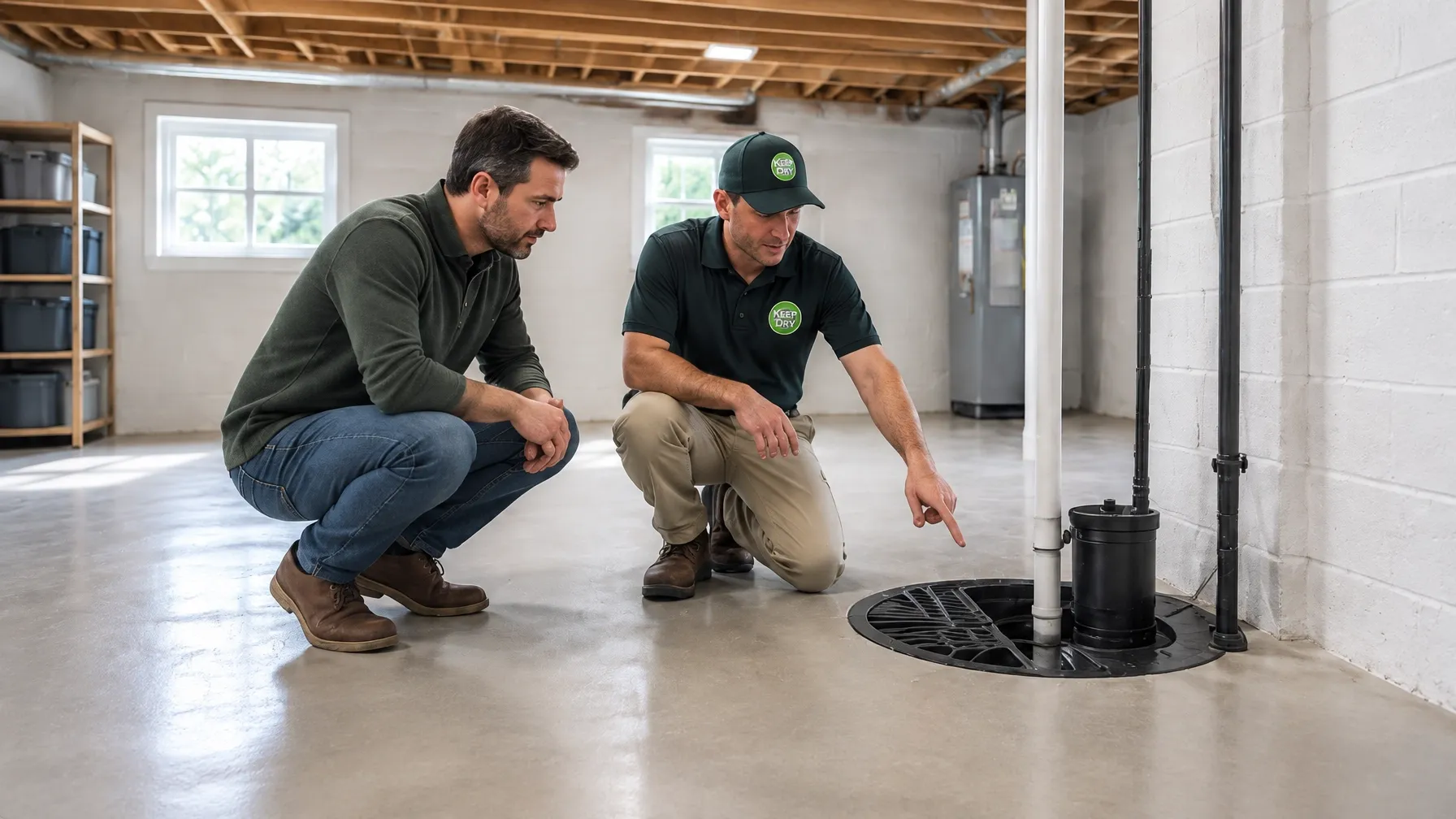
Spring flooding is not just a heavy-rain problem.
In Sudbury, snowmelt can push more water toward your foundation than your sump system can handle. If your pump is old, undersized, blocked, or running without backup power, a dry basement can become a wet basement very quickly.
Professional sump pump installation helps protect your home before the spring thaw starts. The right pump matters. The pit, drainage system, discharge line, and backup power matter too.
WHAT'S DIFFERENT ABOUT SUDBURY SPRINGS
Sudbury homes deal with long winters, heavy snow accumulation, frozen ground, and fast temperature changes.
When spring arrives, the ground may still be frozen deep below the surface. Meltwater cannot soak down normally. Instead, it runs across the surface and collects around foundations, window wells, walkways, and low areas of the yard.
That water creates pressure against the foundation.
Then rain arrives.
Snowmelt combined with heavy spring rain can send a much larger volume of water toward your home than your sump pump was designed to move. Water may enter through:
- Foundation cracks
- The wall-to-floor joint
- Basement window wells
- Weeping tile or perimeter drainage
- Floor cracks
- Poorly sealed penetrations
A pump that handles normal groundwater may not keep up with sudden spring inflow.

WHY SUMP PUMPS FAIL DURING SNOWMELT
A failed pump is not always caused by one problem. Several small issues can happen at the same time.
1. The Pump Is Too Small
A small pump may work during ordinary rainfall but lose ground during rapid snowmelt.
Pump capacity must match the amount of water entering the pit. The height and length of the discharge pipe also affect performance. Bends, narrow piping, and a long discharge route can reduce how much water the pump actually moves.
A pump’s horsepower number does not tell the whole story. The delivered water flow matters.
2. The Pump Is Seven To Ten Years Old
Many sump pumps are replaced around the 10-year mark. Some fail earlier, especially when they run often or operate in dirty water.
If your pump is between seven and ten years old, spring is not the time to wait and see. Check its condition now. A motor that sounds weak or runs longer than before may be close to failure.
3. The Impeller Seized Over Winter
Some pumps sit idle for months. Sediment, rust, or mineral buildup can stop the impeller from turning freely.
The pump may make noise but move little water. It may also hum without starting properly.
4. The Float Switch Is Stuck
The float switch tells the pump when to turn on. If it is jammed against the pit wall, tangled in wiring, or blocked by debris, the water level can rise without starting the pump.
The float needs room to move freely.
5. The Discharge Line Is Frozen Or Blocked
A pump cannot protect your basement if water has nowhere to go.
Ice, snow, dirt, crushed piping, or a blocked exterior outlet can stop the discharge line. The pump may run continuously, overheat, or send water back toward the pit.
The discharge should direct water well away from the foundation. It should not slope back toward the house.
6. Water Is Cycling Back To The Foundation
If the discharge outlet is too close to your home, pumped water may return to the soil around the foundation.
This creates repeated cycles:
- The pump removes water.
- The water drains back toward the foundation.
- The pit fills again.
- The pump runs again.
This puts unnecessary stress on the pump and keeps the foundation area wet.
7. The Check Valve Is Missing Or Not Working
A check valve helps stop discharged water from flowing back into the sump pit.
If it is missing, installed incorrectly, or stuck open, water in the discharge pipe can return to the pit when the pump stops. This can cause short cycling and unnecessary wear.
8. The Power Goes Out
This is the biggest spring risk.
The storms that cause basement flooding can also knock out power. When the electricity fails, a standard sump pump stops immediately. The water does not stop just because the pump has no power.
A battery backup or secondary pump is the honest answer. A backup pump connected to the same electrical supply as the primary pump does not protect you during a power outage.
9. There Is No Working Drainage System
A sump pump cannot solve every water problem by itself.
If water is not being collected by a functioning drainage system, it may enter through the floor or foundation wall instead of reaching the pit. The pump may be working correctly while the basement continues to flood.
That is when broader wet basement solutions may be needed, including interior drainage, foundation waterproofing, or french drain installation where appropriate.
BACKUP POWER IS NOT OPTIONAL FOR MANY HOMES
A primary pump and a backup pump provide more protection than one pump alone.
A complete setup may include:
- Primary sump pump
- Secondary backup pump
- Battery backup or generator connection
- High-water alarm
- Independent float switch
- Proper discharge piping
- Sealed sump cover
The backup should be tested several times a year. Test it before spring, during the first major thaw, and after any long power interruption.
If your basement floods during storms, a battery backup may protect you when you need it most. It can also help if the primary pump fails mechanically or cannot keep up with incoming water.
PRE-SPRING SUMP PUMP CHECKLIST
Do this before the snow starts melting quickly.
Test The Pump
Pour water slowly into the sump pit. Confirm that:
- The float rises
- The pump starts automatically
- Water leaves the pit quickly
- The pit empties properly
- Water discharges outside
- The pump shuts off normally
Do not test by simply turning the pump on and listening. It needs to move real water.
Clean The Pit
Remove dirt, gravel, leaves, and other debris from the pit. Check the pump intake and strainer for blockage.
Check The Float
Move the float by hand. It should rise and fall without touching the pit wall, pump, pipe, or electrical cord.
Inspect The Discharge Line
Make sure the line is:
- Open and free of ice
- Not crushed or disconnected
- Directed away from the foundation
- Not sloping back toward the house
- Discharging into an area that drains properly
Check The Valve
Listen for water falling back into the pit after the pump stops. Inspect the check valve and surrounding connections if water is returning.
Listen Carefully
Grinding, rattling, humming, or repeated short cycling can indicate a worn motor, impeller problem, or discharge issue.
Confirm The Pump’s Age
If you do not know how old the pump is, treat that as a warning sign. Find the model information or arrange an assessment before spring water arrives.
WHEN YOU NEED A NEW PUMP OR SYSTEM
Repair may be enough when the issue is a float switch, blocked line, loose connection, or similar small failure.
A new sump pump or complete drainage system may be needed when:
- Water is coming up through the basement floor
- Water is not reaching the existing pit
- The pit is too small or poorly located
- The pump runs constantly and still loses ground
- The discharge line cannot move enough water
- The foundation drainage is damaged or missing
- The basement floods when the power goes out
- The pump is old and unreliable
Keep Dry can assess the full system, not just replace the visible pump.
Our sump pit assembly service can include the pit, primary pump, backup pump or battery backup, interior drain connection, discharge piping, sealed sump cover, and backwater protection where required.
If water is entering through the foundation, our basement waterproofing service may be the better long-term fix.

SUDBURY RIISP SUBSIDY
Some Greater Sudbury homeowners may qualify for the Residential Inflow and Infiltration Subsidy Program.
The current published subsidy amounts include:
- Sump pit or sump pump: 75% of eligible invoiced costs, up to $1,875
- Approved backwater valve: 75% of eligible invoiced costs, up to $1,500
Eligibility requirements apply. The property must be within Greater Sudbury, property taxes must be in good standing, and the property must be connected to the City sanitary sewer system.
The program also has rules about first-time installations, approved solutions, permits, inspections, contractor documentation, and disconnection from the sanitary sewer where required. Funding is not guaranteed until the City confirms approval.
Review the City of Greater Sudbury RIISP subsidy amounts and RIISP eligibility requirements before starting work. Program details and available funding can change.
THE RIGHT FIX BEFORE THE NEXT THAW
A sump pump is important. It is not the entire waterproofing system.
Your home may need a better pit, a stronger pump, backup power, a proper discharge route, interior drainage, foundation crack repair, or exterior waterproofing. The correct solution depends on where the water is coming from and how quickly it enters.
Every home is different. Any pricing should be treated as example pricing tiers only. A free assessment is the best way to identify the right repair and final cost.
Keep Dry Foundation Contractors has more than 10 years of experience and has restored more than 300 properties in Sudbury and surrounding areas.
Do not wait for the next spring flood.
Book a free assessment and find out whether your sump pump, drainage system, or foundation needs attention before the snowmelt begins.